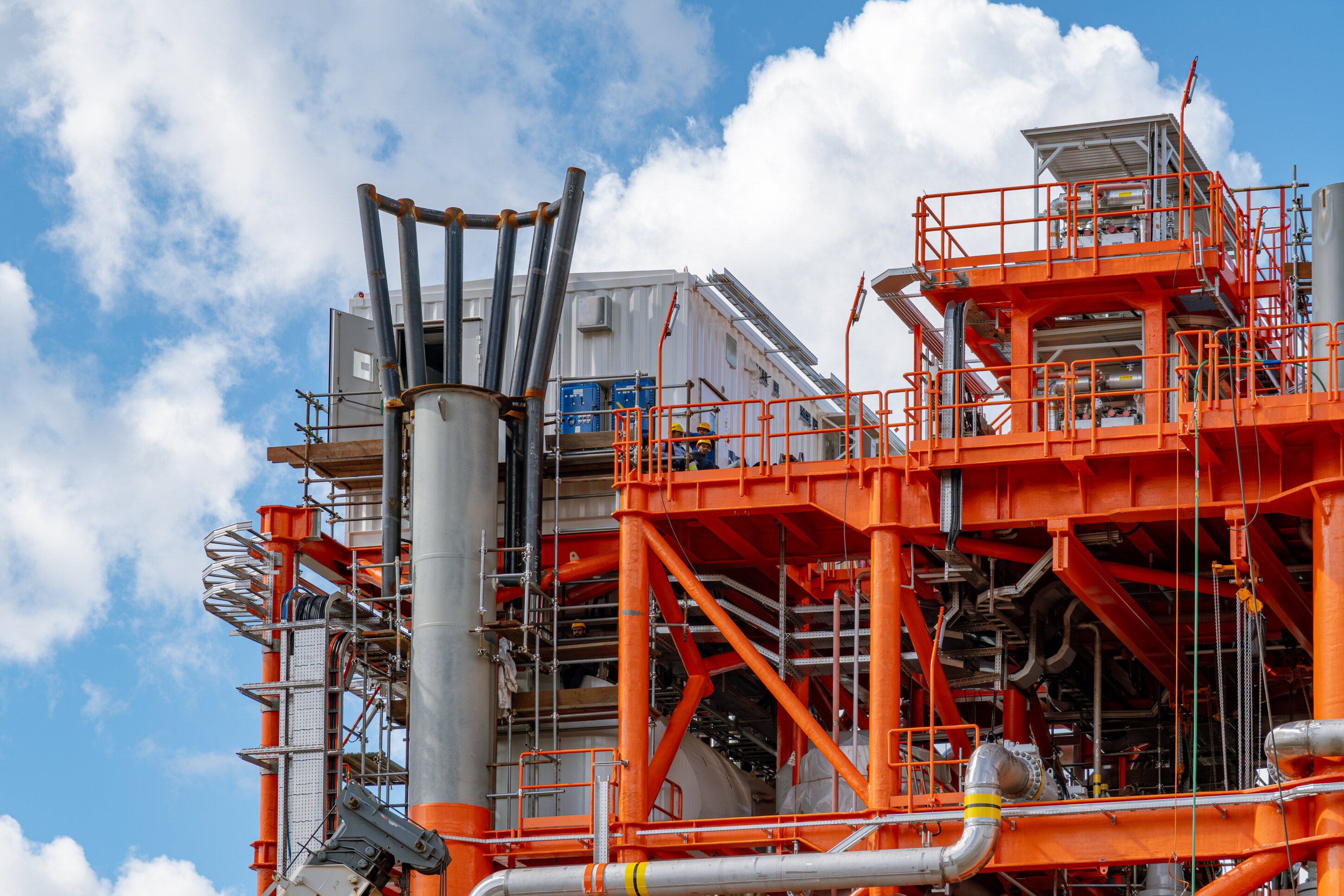
GRUPPO ANTONINI: THE OFFSHORE PHASE OF THE SABRATHA COMPRESSION MODULE FOR LIBYA GETS UNDERWAY
Gruppo Antonini S.p.A. has launched the offshore phase of the Compression Module for the Sabaratha platform. Following its launch at the end of September, transportation and installation operations have now been completed.
Gruppo Antonini S.p.A. has launched the offshore phase of the Compression Module for the Sabaratha platform. Following its launch at the end of September, transportation and installation operations have now been completed.
The subsequent hook-up and offshore commissioning phases are currently under way and will be concluded by the end of the year, bringing to a close this huge project that covers the entire EPCIC (Engineering, Procurement, Construction, Installation and Commissioning) work cycle, which began in 2023 and is worth €217 million for the Group.
This strategic project for the supply of gas to Libya and Italy represents one of Gruppo Antonini’s most significant achievements in the last decade, confirming the company’s role as a key player in the international energy industry. The contract was awarded to Gruppo Antonini by Mellitah Oil & Gas, a joint venture between ENI and the Libyan National Oil Company, and forms part of Phase II in the development of the Bahr Essalam offshore field, Libya’s main gas and condensate production site located 120 kilometres north-west of Tripoli.
The Compression Module is a key component for the field. With a total weight of over 1,700 tonnes, it was positioned 42 metres above sea level on the Sabratha platform by Heerema, a contractor specialising in offshore installations, with the function of maintaining pressure of the extracted gas in the sealine and so ensuring continuity and production efficiency twenty years after the start-up of the Sabratha platform.
The project’s complexity is linked in particular to the presence of sulphuric acid in the gas, which required the use of special materials and advanced technical solutions that comply with ENI specifications. The structure is also clad entirely in fireproofing material to increase safety in the event of fire.